

Angelo Saglietto
Nicknamed SOFO
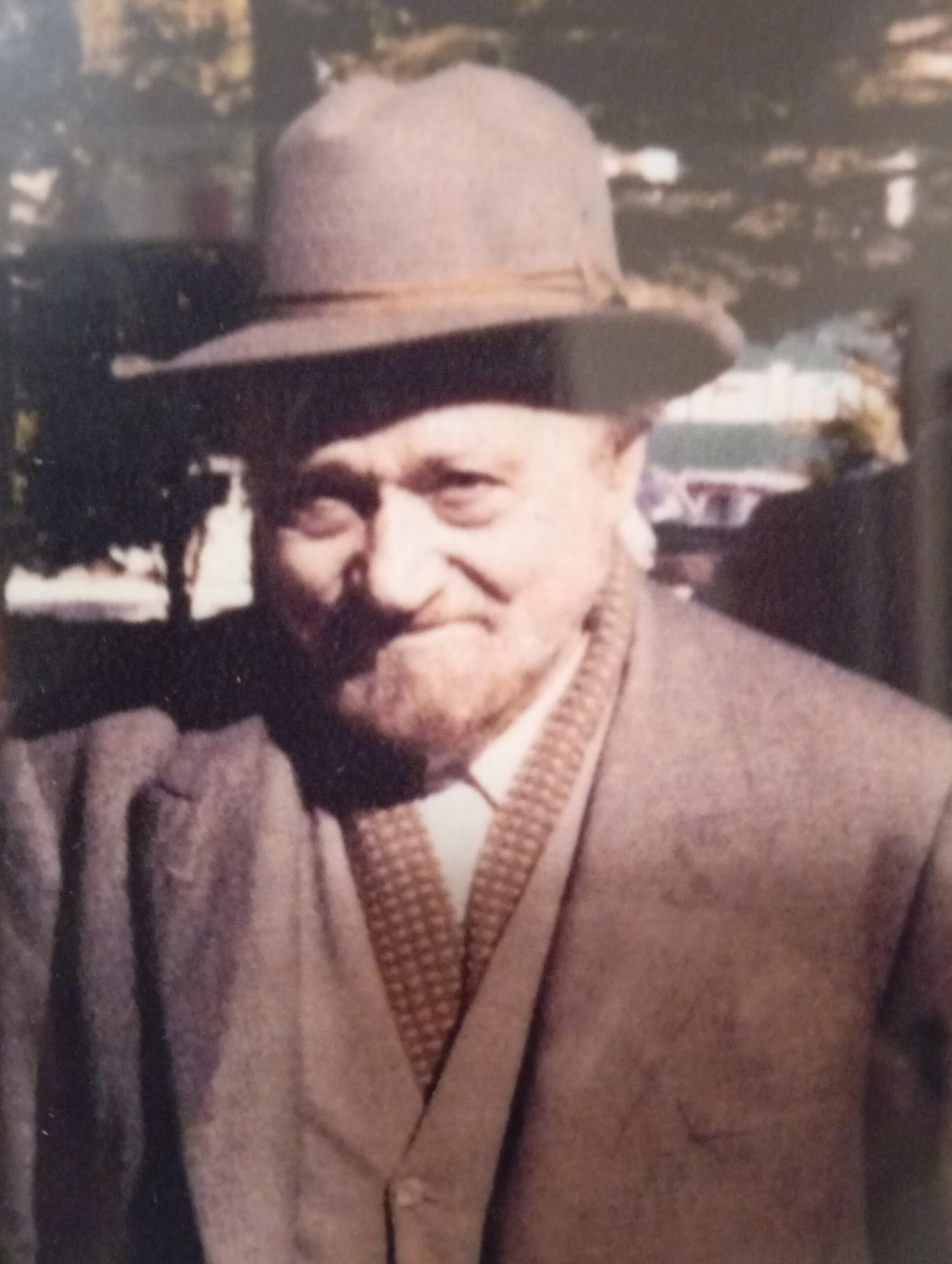
WHO was SOFO?
The son of small-scale shipowners in Porto Maurizio, Angelo Saglietto qualified as a captain at nautical college, but soon after left to follow his passions. From philosophy to esotericism, symbolism and history of religions, via archaeology and the digs at Tana Bertrand cave, Saglietto’s career is difficult to sum up in a few words. His close friend Giovanni Boine succeeded in the enterprise, giving him a nickname, based on Saglietto’s vast knowledge: Sofo.
Sofo wisely kept his work fairly secret, for fear that superficial circulation of the results might distort the truth. He produced a huge number of manuscripts and correspondence with leading proponents of esotericism and gnosticism (he was even contacted by Einstein about his interpretation of dream symbolism). Today Sofo’s disciples Ito Ruscigni and Emanuele Saracini have restored him to his deserved place by circulating and publishing his writings.
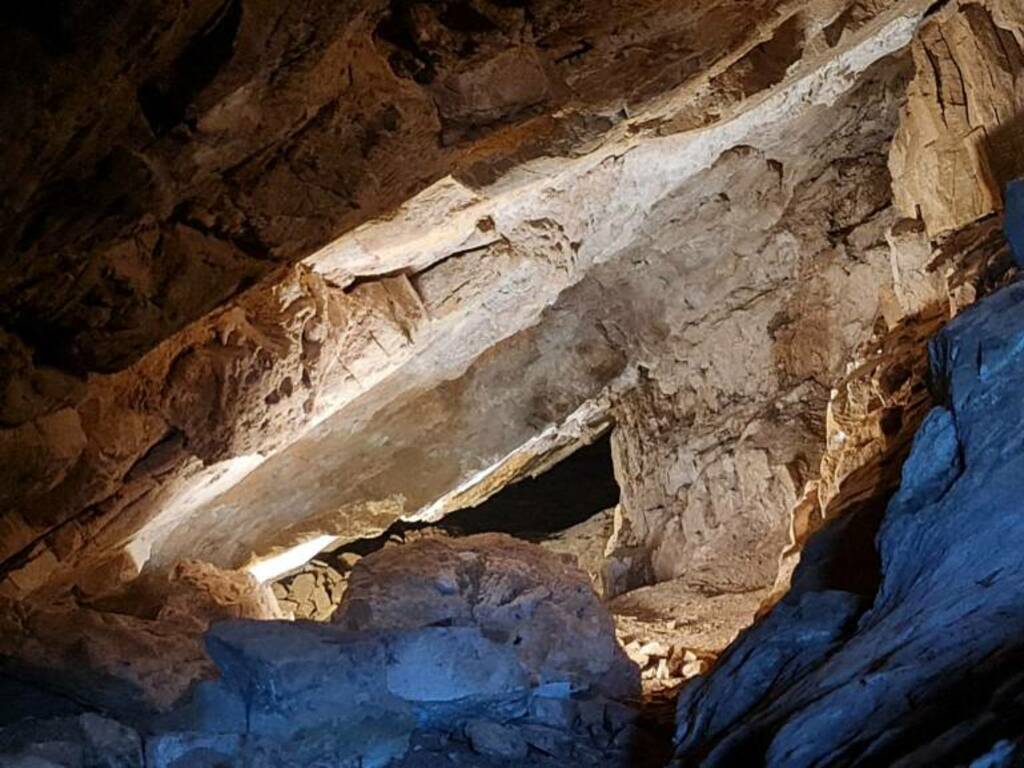
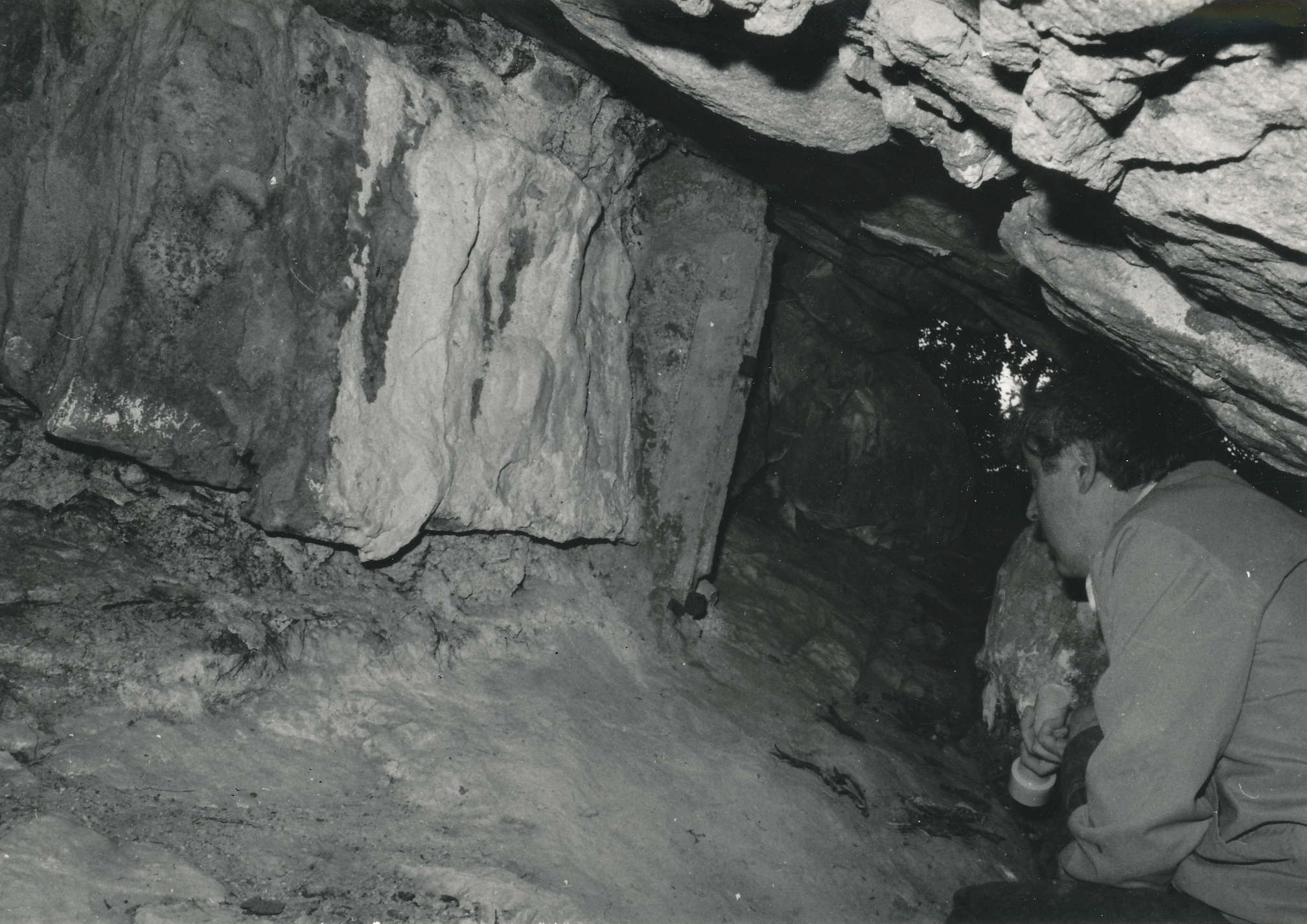
Let’s go back to the
’30
Officially, the dig was led by Carlo Gentile, but it was Saglietto who carried out the real archaeological work.
He was assisted by the climbers Riccardo Parodi, Maurizio Bruno and G.B. Domoro. However, their names don’t appear in the official records…
Like Grace Crowfoot, Angelo Saglietto had a nickname: Sofo, meaning the wise one, he who knows. And indeed, anyone who knew him and worked with him will remember his vast knowledge and the huge number of manuscripts – approximately 8,000 – he left behind. Having graduated from nautical school, Sofo devoted himself to the study of Anthroposophy, ancient religions, esotericism, symbolism and writing, working tirelessly and sleeping just a few hours each night.
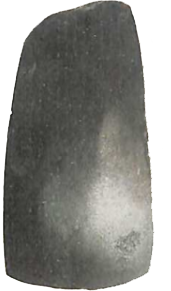
Sofo’s work on the Tana Bertrand cave continued and completed that done by Crowfoot. In addition to unearthing new items and measuring and drawing the cave, Sofo also interpreted the finds from an anthropological and philosophical perspective. His interdisciplinary research suggests that prehistoric man was not a primitive brute, but had technical knowledge and deep religious ideas, giving rise to the spirituality of the world’s great civilisations. Saglietto therefore re-interpreted prehistory as the cradle of our civilizations and cultures. But can we be sure we are the descendants of those people?
Sofo managed to get to the bottom of every question. In the case of items found in the cave, he did not stop at the object and its description, but went further, seeking to understand its function and its symbolic and spiritual significance. Sofo interpreted the finds based on the role they might have had in the religion of the Ligurian people; he believed that they made particular reference to the sun god.
What about you? If you find some broken pieces of crockery, do you just stare at them, or dig deeper? Could you do the same looking inside yourself? Would you have Grace Mary Crowfoot’s courage to enter the darkness of Tana Bertrand cave, and Sofo’s passion to “excavate the depths of the human soul”?
The mystery of the digs
The first official dig after Grace Mary Crowfoot’s experiences took place in 1930. Leading the study was Carlo Gentile, director of the Imperia weather and earthquake observatory; this is why the excavations carried out in 1930 and 1931 were known as the “Gentile dig”. But the director’s role needs to be re-assessed. It appears that Gentile only took part in the initial expedition to evaluate the conditions of the route and the cave itself. Accompanying Gentile were captain Angelo Saglietto and the climbers Riccardo Parodi, Maurizio Bruno and G.B. Domoro. It was they who conducted most of the dig and unearthed the finds, although their names do not appear in the official reports (we refer in particular to an article by Pietro Barocelli, Notizie sul giacimento preistorico della “tana Bertrand” (Badalucco)published in 1933, and a report by Gian Piero Martino and Massimo Ricci in 1978).
The only document that bears the signature of Sofo is the relief map of the cave: in the bottom right-hand corner are the words “Cap. Saglietto”. The plan shows the layout, the sections already excavated and those yet to be dug. Again in this case, the digs in the 1930s were named Gentile, to distinguish them from Crowfoot’s.
As is often the case, newspapers give us more information: on Wednesday 10 September 1930, Gentile wrote an account of his first exploratory trip in “Il Lavoro”. He mentions his assistants, Saglietto in particular. In the article, Gentile himself implies that he was not directly involved in the dig: “With every blow my explorers struck – with due caution – on the rich soil of the cave, some valuable item was found”.”. One of his guides, perhaps their leader, was Saglietto.
For this reason, albeit long after the event, we wish to acknowledge and honour his genuine archaeological work, which for years has been negated and yet is undoubtedly meritorious.